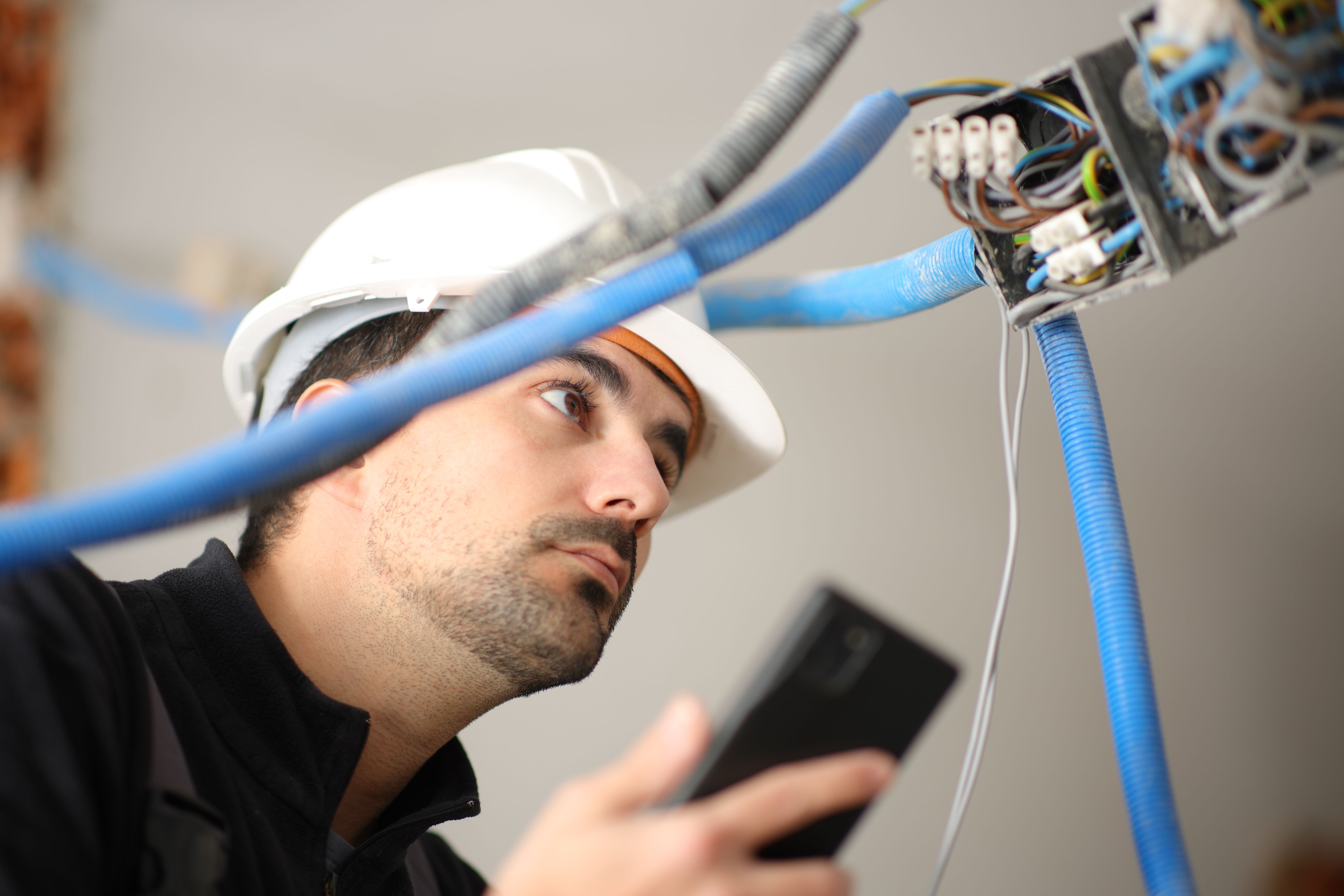
DIY Electrical Safety Tips: What You Can Do Before Calling the Experts


Understanding Electrical Safety
When it comes to handling electrical issues at home, safety should always be your top priority. While some minor tasks can be tackled by the average homeowner, it’s crucial to recognize when a task is beyond your skill level. Knowing some basic DIY electrical safety tips can help you manage small issues and prevent potential hazards before calling in a professional.
Identifying Common Electrical Problems
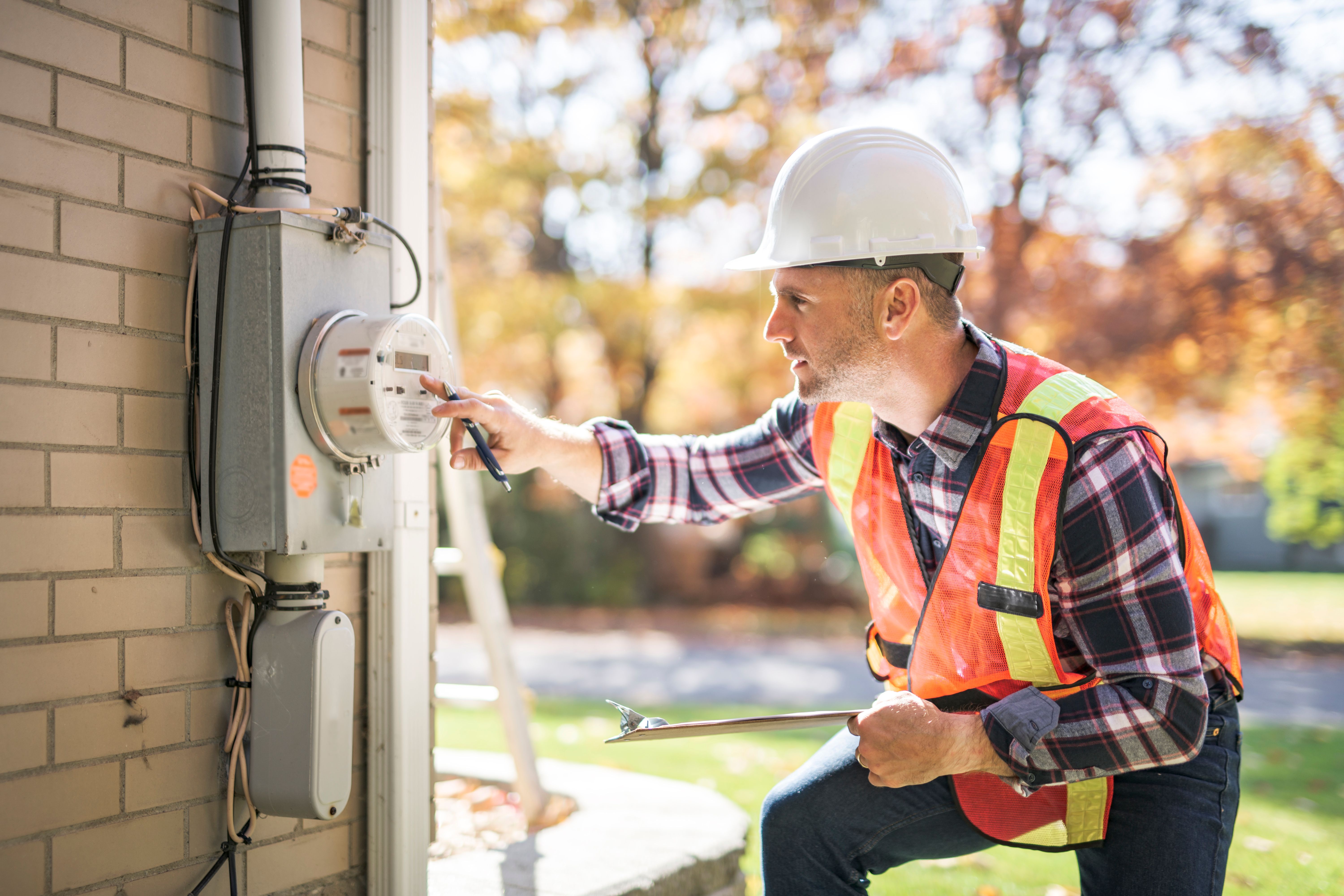
Before you start, it’s essential to identify the common electrical problems you might face. These can include flickering lights, outlets that don’t work, or circuit breakers that frequently trip. Understanding these issues can help you decide what you can fix on your own and what requires expert attention.
If you notice a persistent problem, such as a burning smell or sparks, it’s a clear sign to call an expert immediately. Handling such issues without proper knowledge can lead to serious hazards.
Flickering Lights
Flickering lights can often be resolved by checking the bulb's connection. Ensure the bulb is screwed in tightly and replace it if necessary. If the problem persists, it might be an issue with the fixture or wiring.

Basic Tools for DIY Electrical Work
Before attempting any DIY electrical work, you should have some basic tools on hand. These include:
- Insulated screwdrivers
- Wire strippers
- Voltage tester
- Electrical tape
These tools will help you perform minor repairs safely and effectively. Always ensure your tools are in good condition and suitable for electrical work.
Using a Voltage Tester
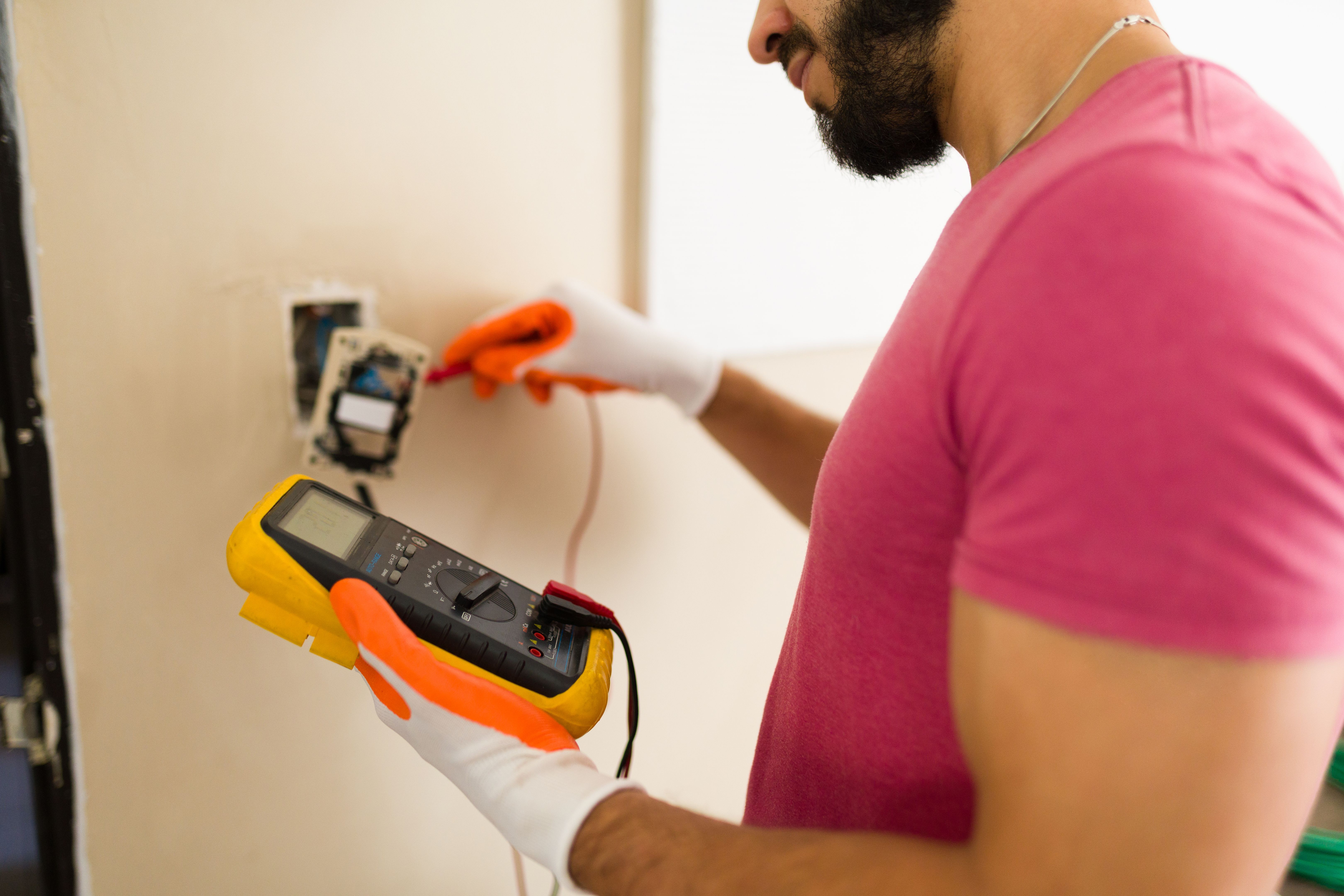
A voltage tester is an essential tool for ensuring your safety while working on electrical systems. Before you start any work, use the tester to confirm that the power is off to the area you are working on. This simple step can prevent electrical shocks.
Safety Precautions
When working on any electrical task, always turn off the power at the circuit breaker. Verify that the power is off by using your voltage tester. Additionally, wear rubber-soled shoes and avoid standing on wet surfaces while working with electricity.
Be sure to work in a well-lit area and keep your workspace organized to prevent accidents. If at any point you feel unsure or unsafe, it’s best to contact a professional.
When to Call the Experts
While small tasks like changing a light bulb or replacing an outlet cover can be done safely, other tasks require professional expertise. Complex wiring issues, installing new circuits, or dealing with outdated systems should be left to licensed electricians.
Remember, electricity is not something to take lightly. Prioritizing safety and knowing your limits can prevent accidents and ensure your home's electrical system remains in top condition.