
Myth-Busting: Common Misconceptions About Smart Home Energy Solutions


Understanding Smart Home Energy Solutions
Smart home energy solutions have gained popularity due to their promise of increased efficiency and convenience. However, with this rise in interest, several misconceptions have also emerged. It's essential to debunk these myths to make informed decisions about integrating smart technology into our homes.

Myth 1: Smart Home Solutions Are Expensive
A common belief is that smart home energy solutions are costly and only accessible to those with high disposable incomes. While initial investments can be higher, the long-term savings often outweigh the upfront costs. Many systems are designed to pay for themselves over time through reduced energy bills.
Additionally, the market offers a variety of products at different price points. Consumers can start small with a few devices and gradually expand their system as they see fit, making smart home solutions more accessible than ever.
Myth 2: They Are Difficult to Install and Use
Some people believe that setting up smart home technology requires technical expertise. However, many devices come with user-friendly instructions and can be installed without professional help. Apps associated with these devices are typically designed to be intuitive, making it easy for anyone to manage their energy usage effectively.
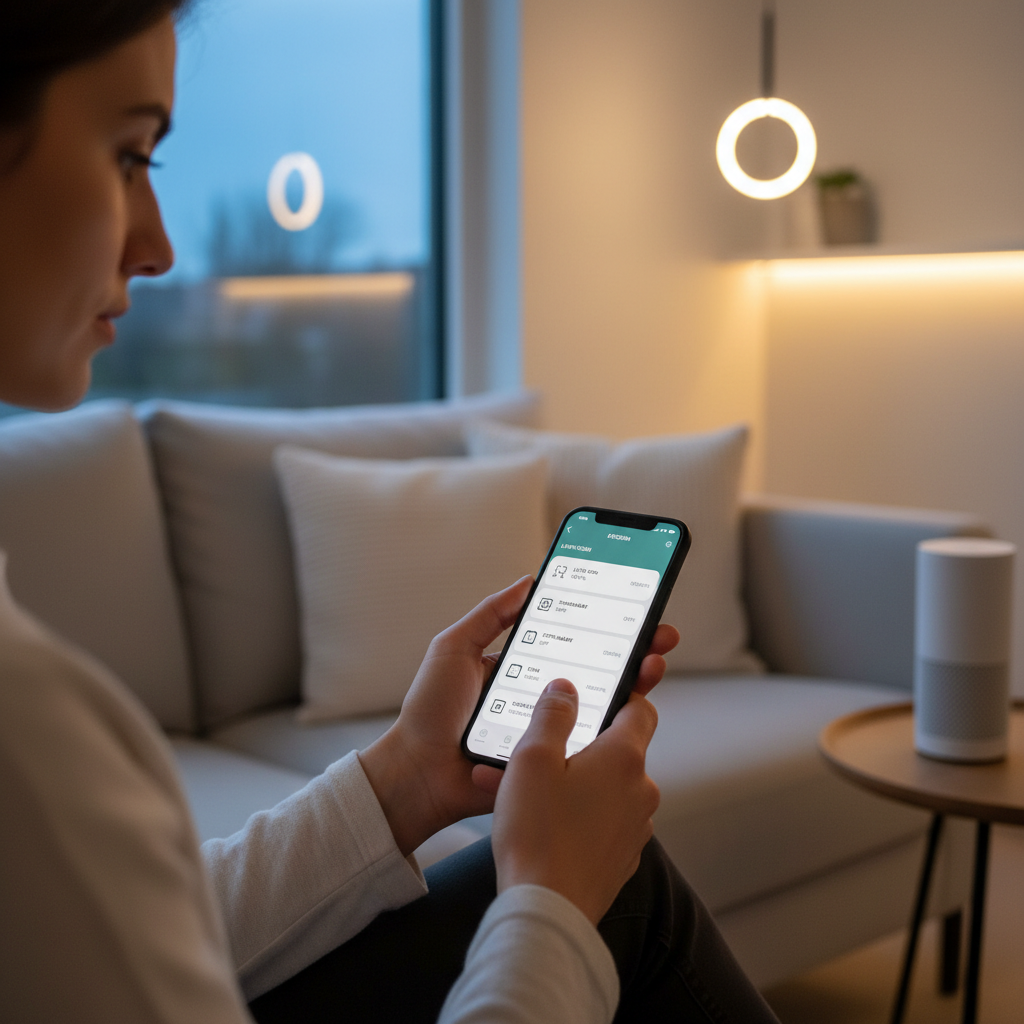
Manufacturers are also constantly improving the user experience, ensuring that even those who aren't tech-savvy can enjoy the benefits of smart home technology.
Myth 3: Smart Devices Are Not Secure
Security is a significant concern for many potential users, with worries about hacking and data privacy. It's essential to understand that while no system is entirely immune, smart home devices come with robust security measures.
Users can enhance security by following best practices such as using strong, unique passwords and regularly updating their devices. Manufacturers are also continuously working to enhance security features and protect users' data.

Myth 4: They Don't Make a Significant Impact on Energy Consumption
Another misconception is that smart home devices don't significantly impact energy savings. On the contrary, these solutions offer real-time data and automation that can drastically reduce energy waste. For instance, smart thermostats can learn your schedule and adjust temperatures accordingly, ensuring energy is not wasted when you're not home.
Additionally, smart lighting systems can reduce electricity usage by turning off lights when rooms are unoccupied. Collectively, these small changes can lead to substantial savings over time.
Conclusion
Smart home energy solutions offer numerous benefits, from cost savings to enhanced convenience and security. By dispelling these myths, consumers can better understand the potential of these technologies and make informed choices about their adoption.